
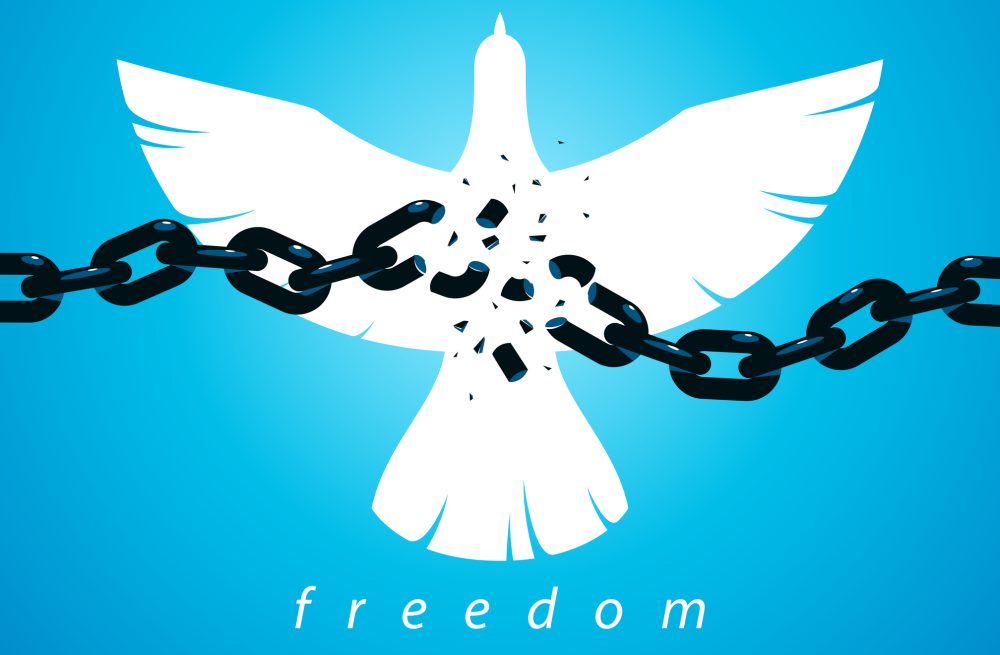
Sobriety may be the doorway, but freedom is the destination God has always intended for His sons. Sobriety is often the first necessary step. Many men enter recovery with a single goal in mind: stop the behavior. Stop the pornography. Stop the masturbation. Stop the acting out. Stop the relapse. And while that desire is understandable, it reveals a subtle but critical misunderstanding about what God is actually offering. Sobriety and freedom are not the same thing, and confusing the two often leaves men frustrated, exhausted, and stuck in cycles that feel spiritual on the surface but never reach the heart.
Sobriety focuses on external behavior. Freedom reaches internal transformation. Sobriety asks, “How do I stop?” Freedom asks, “Why do I keep returning?” Sobriety can exist without healing. Freedom cannot. Many men achieve periods of sobriety only to discover that their inner world is still restless, reactive, and fragile. The behavior may be absent, but the cravings remain. The screen may be off, but the imagination is still loud. The actions may be restrained, but the heart is still looking for escape.
Scripture never presents God’s goal as behavior management alone. God is after the heart. He is after restoration, wholeness, and transformation from the inside out. Understanding the difference between sobriety and freedom is essential for any man who wants lasting victory rather than temporary restraint.
What Sobriety Really Is
Sobriety is the cessation of a behavior. In the context of sexual integrity, it usually means not viewing pornography, not masturbating, and not acting out sexually. Sobriety is measurable. It can be tracked in days, weeks, and months. It often comes with a sense of relief, accomplishment, and hope, especially in the early stages of recovery.
Sobriety is not bad. In fact, sobriety is often necessary. A man cannot heal wounds that are constantly being reopened by ongoing sin. Removing access to pornography, tightening boundaries, and interrupting destructive habits create space for clarity. Sobriety gives the nervous system a chance to calm. It gives the mind a break from constant stimulation. It gives the conscience room to breathe.
But sobriety by itself does not change the heart. A man can be sober and still be angry. Sober and still be lonely. Sober and still be entitled. Sober and still be emotionally disconnected. Sober and still be driven by shame. Sobriety stops the bleeding, but it does not automatically heal the wound.
This is why many men experience what feels like white-knuckled obedience. They are technically sober, but internally tense, irritable, and exhausted. Temptation feels constant. Desire feels suppressed rather than transformed. The absence of pornography does not bring peace; it brings pressure. Sobriety without freedom often feels like containment rather than healing.
Why Sobriety Alone Eventually Fails
Sobriety that is not accompanied by deeper healing almost always breaks down under pressure, not because the man lacks sincerity or effort, but because unresolved wounds eventually demand to be addressed. Pain does not disappear simply because a behavior is removed. Stress does not dissolve because temptation is avoided. Loneliness does not heal itself because porn is blocked. The human heart was designed to seek comfort, relief, and connection, and when those longings are ignored or suppressed rather than healed, they quietly build beneath the surface. Over time, the pressure accumulates. When life becomes overwhelming, when fatigue sets in, when conflict arises, or when old emotional wounds are triggered, the heart instinctively reaches for what once provided relief. This is not a moral failure so much as a warning sign that something deeper still needs attention.
This is why relapse often shocks men who genuinely believed they were doing well. Outwardly, they were sober. The behavior had stopped. The boundaries were in place. The streak was growing. But inwardly, the emotional system that once depended on pornography for comfort, escape, or regulation had never been retrained. Pornography was removed, but nothing meaningful replaced it. The heart was left without new pathways for dealing with pain, disappointment, stress, or unmet needs. When pressure increased, the system defaulted back to what it knew. Sobriety alone had created restraint, but not resilience.
Jesus speaks directly to this dynamic when He warns about cleaning the outside of the cup while leaving the inside unchanged. External compliance can look impressive for a time, but without inner renewal it produces fragility, not strength. A man may appear disciplined while conditions are favorable, but when pressure intensifies, external control collapses because internal transformation never took root. Sobriety focuses primarily on stopping behavior, managing urges, and avoiding temptation. Freedom, however, goes deeper. Freedom addresses why the temptation held power in the first place. It heals the wounds that fueled the addiction, retrains the heart’s response to pain, and teaches the soul how to find refuge in God and healthy relationships rather than in escape. Sobriety asks, “How do I not act out?” Freedom asks, “How do I become whole?”
What Freedom Actually Is
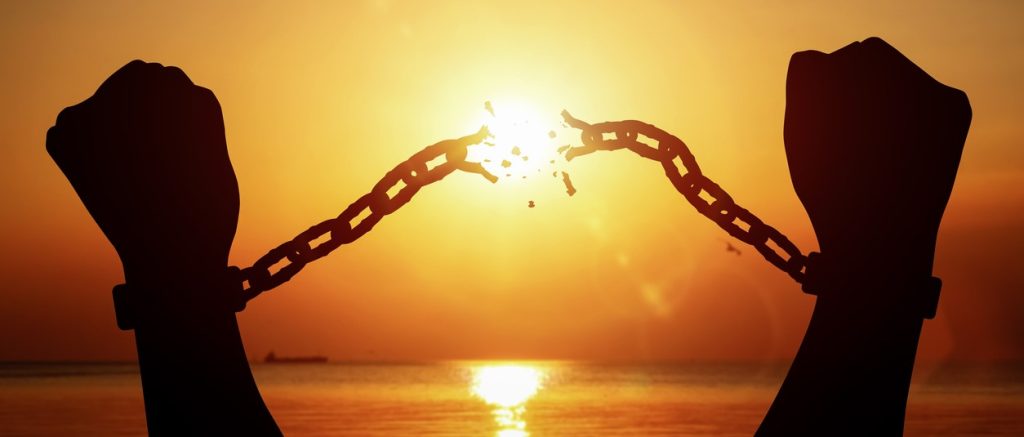
Freedom is not merely the absence of sinful behavior. Freedom is the gradual restoration of wholeness. It is the reordering of desire so that sin loses its pull, not because it is forbidden, but because it is no longer needed. Freedom does not mean temptation disappears. It means temptation no longer governs decisions, emotions, or identity. A free man may still notice temptation, but he is no longer driven by it. He is not negotiating with it. He is not organizing his life around avoiding it. His heart has found a better refuge.
Biblically, freedom is rooted in identity, not performance. Scripture teaches that when a man comes to Christ, his old self is crucified and a new life begins. Freedom flows from living in alignment with that new identity rather than striving to earn it through behavior management. A free man does not obey God to prove his worth or to keep God from abandoning him. He obeys because he knows who he is and who he belongs to. Obedience becomes an expression of trust rather than a desperate attempt at control.
Freedom also involves healing the wounds that once made pornography feel necessary. It means learning how to experience stress without escape, loneliness without fantasy, disappointment without numbing, and pain without secrecy. These capacities are not learned overnight. They are formed slowly through honest confession, relational safety, spiritual dependence, and the patient work of the Spirit. As wounds are named and tended within godly community, the heart no longer needs pornography to regulate its emotions. What once felt like survival becomes unnecessary.
Freedom often feels quieter than sobriety in the beginning. It does not announce itself with dramatic milestones or instant relief. It unfolds gradually through daily truth-telling, consistent community, prayer that becomes more honest, Scripture that becomes more personal, and self-examination that leads to humility rather than shame. Over time, freedom produces something sobriety alone cannot produce: peace. Not the fragile peace of avoidance, but the grounded peace of a heart that knows where to go when life hurts. That peace is the fruit of healing, and it is the mark of true freedom.
When Life Gets Hard, Sobriety Is Tested but Freedom Is Revealed
The true difference between sobriety and freedom often becomes clear not during calm seasons, but when life applies pressure. Stress, loss, disappointment, conflict, fatigue, and emotional pain have a way of exposing what has actually changed beneath the surface. Men who have focused primarily on behavior modification may look strong when life is manageable, but when hardship arrives, the old patterns often resurface. This is not because those men lack sincerity or effort, but because the deeper wounds that once drove their acting out were never addressed. Sobriety can restrain behavior for a season, but it cannot carry the weight of unresolved pain indefinitely. When pressure increases, the heart instinctively reaches for whatever once provided relief, and if pornography was never replaced with true healing, it remains a familiar refuge.
This is why so many relapses happen during seasons of stress rather than seasons of temptation. The issue is rarely desire alone. It is distress. Men who relied on sobriety alone often discover that when anxiety spikes, loneliness deepens, or disappointment settles in, their internal resources collapse. The coping mechanisms that once seemed sufficient are suddenly overwhelmed, and the heart returns to what it knows. Behavior-focused sobriety teaches a man how to say no, but it does not teach him how to grieve, how to process fear, how to handle rejection, or how to sit with pain without escaping. When those emotional skills are missing, relapse is not a moral failure as much as it is an unhealed wound demanding attention.
Freedom, however, responds differently when life gets hard. A man who has pursued freedom rather than mere sobriety has allowed God to heal the places where pornography once felt necessary. He has learned to recognize his emotional signals instead of ignoring them. He has developed healthier ways to process stress, disappointment, and loneliness through prayer, honest community, and emotional awareness. His wounds no longer dictate his responses because they are no longer hidden, untreated, or unmanaged. Temptation may still appear, but it no longer carries the same authority, because the pain it once medicated has been brought into the light and met with truth, care, and healing.
This is why freedom is ultimately more resilient than sobriety. Sobriety resists sin by force. Freedom outgrows it by transformation. When life becomes difficult, the man who has pursued freedom does not have to white-knuckle his way through the storm, because his heart is no longer captive to the patterns that once enslaved him. He does not return to old sins for comfort because those sins no longer feel comforting. They have lost their purpose. This is what Scripture means when it speaks of true freedom, not simply the ability to stop doing something wrong, but the ability to live without needing it at all. When wounds are healed, the chains they once forged fall away, and a man is finally free to walk forward without constantly looking back.

The Role of Community in Moving From Sobriety to Freedom
Sobriety can often be achieved in isolation, at least for a season, because behavior can be restrained through sheer effort, fear of consequences, or external accountability alone, but freedom was never designed to grow in solitude. God created healing to take place in relationship because the wounds that drive addiction were formed in relationship, whether through neglect, rejection, abandonment, betrayal, or unmet attachment needs, and those wounds cannot be healed by willpower or private resolve. Isolation keeps men focused on managing symptoms, tracking streaks, and suppressing urges, while community invites men into transformation at the level of the heart, where desire itself is reshaped. A man can stop acting out for a time by cutting off access and tightening control, but if no one truly knows him, his pain, his fear, his shame, and his longings remain untouched, and what remains untouched will eventually demand relief.
Within godly community, something fundamentally different begins to happen. Patterns that once felt confusing start to make sense as they are named out loud. Blind spots that were invisible in isolation become clear when brothers lovingly speak truth. Lies lose their power when they are challenged, and shame weakens when it no longer has secrecy to protect it. Community does not simply monitor behavior; it shepherds the heart. Brothers remind one another of truth when emotions distort reality, especially in moments of stress, discouragement, or temptation.
Accountability provides necessary structure, but connection provides safety, and safety is what allows a man to explore the deeper reasons he once needed pornography to cope. This is why many men remain sober but not free. They report behavior but hide struggle. They count days but avoid depth. They comply externally while remaining guarded internally. Freedom begins when a man risks being known rather than merely monitored, when he allows others close enough to see not just what he did, but why he did it, and when he chooses to heal in the presence of others rather than manage his life alone.
The Goal Is Not Just a Clean Record, but a Whole Heart
Sobriety asks, “How long have I gone without acting out?” because sobriety is primarily concerned with external restraint and visible outcomes. It measures success by distance from behavior and often defines progress in terms of streaks, milestones, or days clean. While those markers can be useful, they are limited. A man can go weeks, months, or even years without acting out sexually and still feel internally unstable, anxious, irritable, or emotionally disconnected. Sobriety focuses on avoidance. It asks how close am I to the line and how can I stay just far enough away. Freedom, by contrast, asks a far deeper question: “Who am I becoming?” It shifts the focus from merely not sinning to being transformed. Freedom is not primarily concerned with counting days, but with shaping the heart. It is less interested in how long a man has resisted temptation and more interested in how his desires, reactions, and attachments are changing over time.
Sobriety counts streaks, but freedom builds character. A sober man may still live in fear of failure, constantly scanning his environment for triggers and white-knuckling his way through temptation. A free man grows in integrity, patience, humility, and self-awareness because his inner life is being healed, not just restrained. Sobriety avoids sin, but freedom pursues love. Freedom moves toward God, toward people, and toward responsibility with increasing openness rather than withdrawal. God’s invitation has never been merely to stop doing wrong, but to become whole. Jesus did not come simply to restrain behavior, but to restore what was broken in the human heart. That restoration reaches far beyond sexual behavior. It includes reordered desires, healed emotions, renewed minds, reconciled relationships, and a settled sense of identity rooted in Christ rather than performance.
When a man understands the difference between sobriety and freedom, his definition of success begins to change. He stops measuring his growth only by how many days he has avoided acting out and starts paying attention to deeper indicators of transformation. He asks whether he is becoming more honest rather than more hidden, more connected rather than more isolated, more peaceful rather than more tense, and more dependent on God rather than more self-reliant. He notices whether he is responding to stress with wisdom instead of escape, whether he is able to sit with discomfort without numbing, and whether his relationships are marked by increasing openness and trust. These are the quiet fruits of freedom that sobriety alone can never produce. Over time, a man who pursues freedom discovers that obedience flows more naturally, temptation loses its authority, and peace becomes more consistent, not because he is trying harder to avoid sin, but because his heart is finally learning how to live whole.
Walking Forward
Sobriety may be the doorway, but freedom is the destination God has always intended for His sons. Sobriety is often the first necessary step, the moment when destructive behavior is interrupted and the chaos begins to slow, and God honors that obedience because any movement toward the light matters. Scripture reminds us that God does not despise small beginnings, and He is patient with the process of growth, knowing that transformation unfolds over time rather than overnight. Yet sobriety alone is never meant to be the end of the journey. It is an entry point, not the inheritance. God’s goal is not merely that a man stop sinning, but that he become whole, healed, and fully alive in the identity He has given him.
This is why many men find themselves sober but restless, clean but unsettled, disciplined yet internally strained. That restlessness is not evidence of failure, and it is not a sign that God is disappointed. Often it is an invitation. God may be gently drawing you beyond surface change into deeper healing, beyond behavior management into heart transformation. Managing sin can exhaust the soul, especially when the wounds that once drove the behavior remain untouched. When a man grows weary of simply holding himself together and begins to long for true freedom, he is not drifting from grace. He is responding to it. Grace does not merely forgive what is wrong. Grace invites what is broken to be restored.
Freedom is not found by tightening control or increasing effort, because effort alone cannot heal what was wounded. Freedom is found in surrendering more deeply to God’s work in you, allowing Him access not only to your actions, but to your fears, memories, desires, and places of pain you learned long ago to hide. It grows as you walk honestly with God and others, choosing truth over image, connection over isolation, and humility over self-reliance. And the God who calls you into freedom is faithful to lead you there. He does not rush you, abandon you, or shame you along the way. He walks with you patiently, step by step, reshaping your heart as you learn to trust Him not just to forgive you, but to make you whole.