
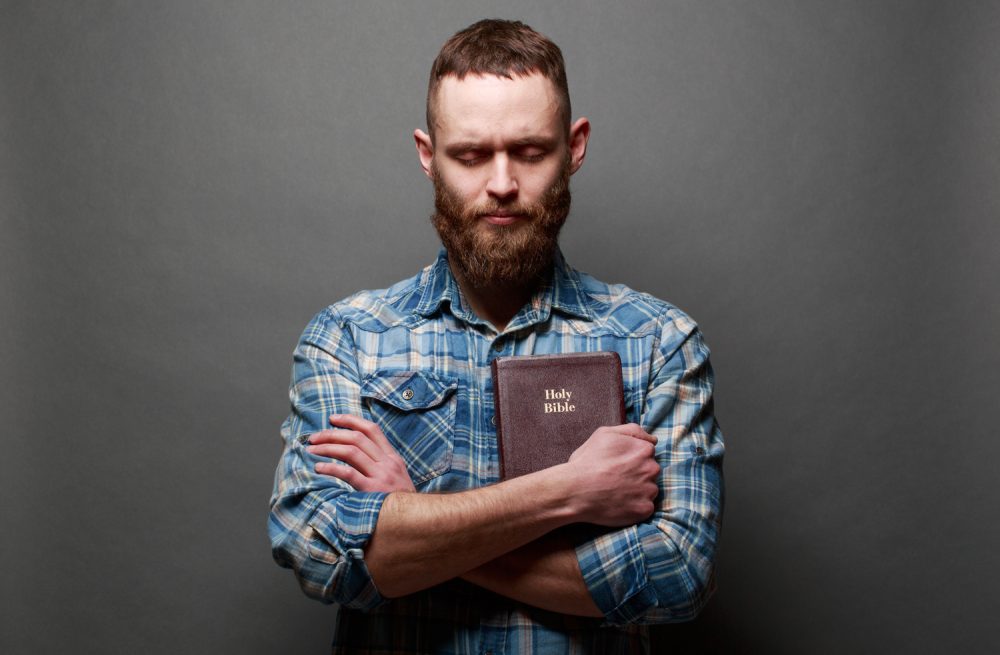
Making the choice to enter a new year to put sexual sin to death carries more weight, whether we admit it or not. Something in the human heart longs for reset, renewal, and the possibility that tomorrow can be different than yesterday. We feel it when the calendar changes, when old numbers give way to new ones, when the clock strikes midnight and the past year quietly slips into memory. For many men, however, the new year arrives carrying the same private shame, the same secret patterns, and the same unresolved bondage to sexual sin that marked the year before. New calendars do not automatically produce new hearts. Time passes, but transformation does not come by accident.
For men trapped in pornography, masturbation, fantasy, or secret sexual behaviors, the new year often brings mixed emotions. There is hope, but also fear. Hope that this year might finally be different, and fear that it will not. Hope that freedom is possible, and fear that nothing will ever change. Many men quietly promise themselves, “This year I’ll stop,” while already carrying the weight of past failures that whisper, “You’ve said that before.” The tension between desire and despair can feel unbearable.
Yet Scripture does not treat the new year as a superficial moment for self improvement. The Bible treats change as a matter of death and resurrection. God does not offer cosmetic adjustments to sinful patterns. He offers new life. He does not call men to manage their sin better. He calls them to crucify it. He does not invite men into partial obedience. He calls them into wholehearted surrender.
This year is not about resolutions. It is about repentance. It is not about trying harder. It is about becoming someone new. It is not about white knuckling behavior. It is about putting childish things away and stepping into the weight, responsibility, and holiness of biblical manhood.
The New Year Exposes What Has Not Changed
The beginning of a new year has a way of exposing what remains unresolved. When the distractions of holidays fade and normal routines return, many men discover that the same temptations are still present. The same urges resurface. The same escape patterns call out. The same emotional wounds remain unhealed. Sexual sin does not disappear simply because a year ends. In fact, it often grows stronger in secrecy when ignored.
The apostle Paul speaks directly to this internal conflict when he writes about the war between the flesh and the Spirit. A man can genuinely love God and still feel pulled toward sin because the flesh resists surrender. The presence of struggle does not mean salvation is false, but refusing to fight does. Grace does not eliminate the battle. Grace empowers it.
Many men enter a new year hoping God will remove temptation without them having to confront the roots beneath it. But God rarely heals what a man refuses to bring into the light. The new year does not magically produce freedom. Freedom comes when a man decides he is done negotiating with sin and ready to put it to death.
Sexual Sin Is Not a Phase, It Is a Formation
One of the greatest lies men believe is that sexual sin is something they will eventually outgrow or that it will disappear once they get married and finally have all the sex they think they need. Pornography, masturbation, and fantasy are often treated as temporary struggles tied to singleness, stress, or youth, rather than as soul shaping forces that quietly form desire over time. Scripture teaches that repeated sin trains the heart, not just the body. What a man repeatedly looks at, turns to for escape, and meditates on does not vanish with a wedding ring. It deepens. Marriage does not cure sexual sin because sexual sin is not rooted in lack of access to sex. It is rooted in how a man has learned to cope, escape, self soothe, and seek comfort apart from God. When those patterns are carried into marriage, they do not disappear. They follow him into the covenant and begin to affect how he loves, desires, and connects with his wife.
Sexual sin does not remain external. It works inward, shaping the imagination, dulling conviction, and teaching the heart to seek pleasure without covenant, intimacy without vulnerability, and release without responsibility. Over time, it distorts how a man views women, how he understands intimacy, and how he experiences God. What begins as curiosity becomes coping. What begins as novelty becomes necessity. What begins as indulgence becomes bondage. This is why Scripture urges believers to flee sexual immorality rather than assume it will resolve itself with time or marriage. Sexual sin fractures the unity between body, soul, and spirit, producing a divided man who may worship God publicly but escapes privately. That division feeds shame, and shame fuels the cycle. A new year or a new season will not change that formation unless a man chooses to interrupt it with repentance, truth, confession, accountability, and daily obedience to Christ.

Putting Childish Things Away Is a Spiritual Act
Paul writes in 1 Corinthians 13 that when he became a man, he put away childish things. This statement is not merely about emotional maturity. It is about spiritual responsibility. Childishness in Scripture is not innocence. It is immaturity. It is the refusal to take ownership of one’s life, desires, and actions.
Pornography thrives in childishness. It trains men to avoid responsibility, to seek pleasure without sacrifice, and to demand gratification without commitment. It teaches the heart to consume rather than to give. It keeps men passive, isolated, and emotionally stunted. It undermines leadership, courage, and sacrificial love.
Biblical manhood calls men into a different posture. It calls men to guard their hearts, lead themselves with discipline, and steward their bodies as instruments of righteousness. It calls men to deny themselves, take up their cross, and follow Christ daily. That is not the language of comfort. It is the language of war.
To start the new year rightly, a man must decide that childish coping mechanisms no longer have a place in his life. Sexual sin may feel comforting, but it is comfort that poisons growth. Real strength begins when a man chooses obedience over indulgence and surrender over escape.
Grace Does Not Excuse the Wound. It Heals It and Breaks Sin’s Power
Sexual addiction is not ultimately about sex. It is about medicating wounds. Many men carry unresolved pain from their past, including rejection, neglect, abandonment, comparison, criticism, failure, and trauma that were never named, processed, or healed. Those wounds do not disappear with time, maturity, or spiritual language. They remain active beneath the surface, quietly shaping desires and reactions. Pornography enters the story as an emotional anesthetic, offering temporary relief without requiring vulnerability or healing. It numbs discomfort without addressing its source, which is why simply trying harder never produces lasting freedom. Addiction is not a willpower problem but a wound problem. A man can genuinely love God and still return to sexual sin because wounds left unhealed will always seek relief somewhere. When the heart hurts, it runs for refuge, and if it does not run to God, it will run to substitutes that promise comfort but ultimately deepen bondage.
Paul addresses this heart level reality directly in Romans 6 when he anticipates the very mindset many believers carry into the new year. “What shall we say then? Are we to continue in sin that grace may abound?” His answer is immediate and uncompromising: “By no means. How can we who died to sin still live in it?” Paul reminds believers that salvation is not merely forgiveness layered onto an unchanged life. It is union with Christ in His death and resurrection. “Do you not know that all of us who have been baptized into Christ Jesus were baptized into His death? We were buried therefore with Him by baptism into death, in order that, just as Christ was raised from the dead by the glory of the Father, we too might walk in newness of life.” Grace does not excuse sin. Grace breaks its authority. The old self that once relied on sexual sin for relief has been crucified. To return to it is not freedom but regression, not comfort but resurrection of a life that was meant to stay buried.
This is where many men misunderstand grace. They treat it as a safety net rather than a transforming power. They assume forgiveness removes urgency, that mercy reduces consequences, or that salvation allows compromise. Scripture presents grace very differently. Grace does not lower the call to holiness. It raises the power to walk in it. The same grace that forgives also transforms. The same cross that pardons also purifies. Grace is not God winking at sin. Grace is God declaring war on sin within the believer. The new year does not become a turning point because of stronger resolutions or better discipline alone, but because of deeper surrender to what Christ has already accomplished. Healing begins when a man stops burying pain beneath pleasure and starts bringing wounds into the light of Christ and godly community. Freedom comes when he no longer asks how to manage sin, but why he keeps returning to it, and then chooses daily to walk in the new life Christ has already given him rather than resurrecting the old life that was buried at the cross.
Confession Is Not Optional for Freedom
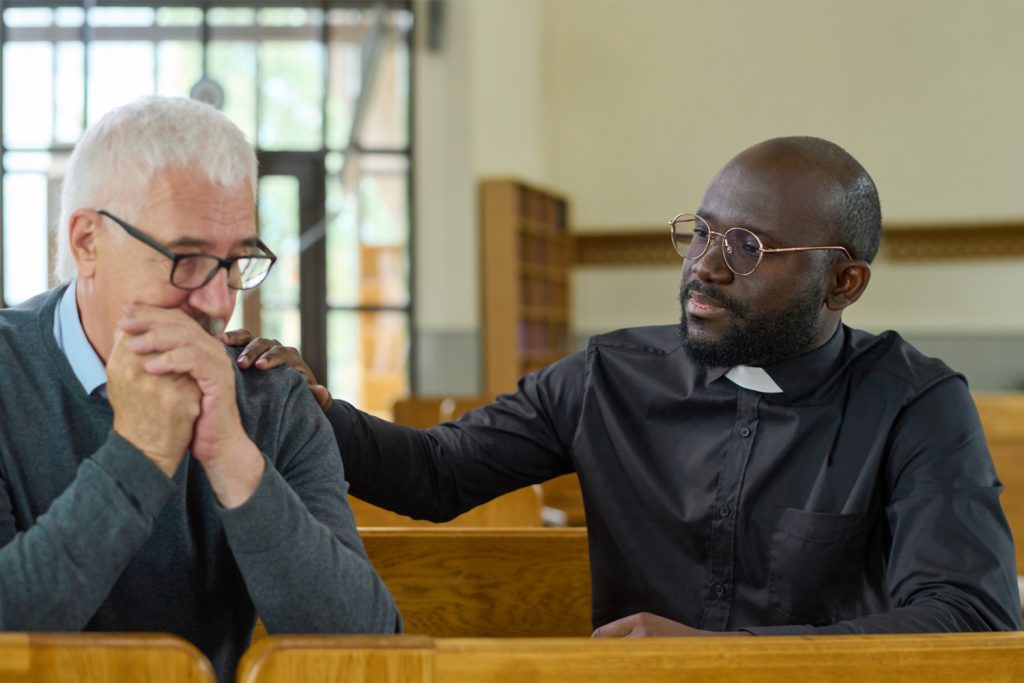
One of the most radical and necessary decisions a man can make at the beginning of a new year is the decision to stop hiding, because sexual sin does not survive in the light but thrives in secrecy, where it is protected from truth, accountability, and loving confrontation. Shame convinces men that if anyone truly knew the depth of their struggle they would be rejected, exposed, or diminished, yet the opposite is almost always true. Secrecy is not what preserves a man’s dignity. Secrecy is what quietly erodes it. What remains hidden grows stronger, not weaker, because isolation allows distorted thinking, rationalization, and self-deception to go unchallenged.
Scripture makes a clear and compassionate distinction between forgiveness and healing that many believers overlook. Confession to God brings full and immediate forgiveness, because Christ’s sacrifice is complete and sufficient. But Scripture also teaches that confession to others brings healing, because God has designed restoration to take place within relationship, not in isolation. James writes plainly that believers are to confess their sins to one another and pray for one another so that they may be healed, revealing that God intentionally placed healing within the safety of godly community. Isolation narrows perspective and amplifies shame, while community restores clarity and reminds a man of who he truly is in Christ. When sin is kept private, it distorts reality and convinces the heart that change is impossible. When sin is confessed, truth enters the space and begins dismantling the lies that kept the man trapped.
When a man brings sexual sin into the light before a godly brother, something shifts not only emotionally but spiritually. Shame loses its authority because it can no longer speak from the shadows.
Lies lose credibility because they are confronted with truth spoken in love. Accountability becomes possible because someone else now knows the real story and can walk alongside him with wisdom, prayer, and encouragement. The burden that once felt unbearable in isolation becomes lighter when carried together, because God never intended men to fight sin alone. Confession is not an act of humiliation. It is an act of courage and obedience that opens the door to freedom.
If this year is going to be different, secrecy must end. Not gradually. Not partially. Completely. No man overcomes sexual sin by hiding, minimizing, or managing it in private. Freedom begins when a man chooses honesty over image, humility over pride, and connection over isolation, trusting that God’s design for healing through community is not a threat to his life but the very means by which his life is restored.
Marriage and Sexual Integrity Cannot Be Separated
For married men, sexual sin is never private, no matter how hidden the behavior may feel in the moment. Pornography and masturbation often take place in isolation, yet their effects inevitably bleed into marriage through eroded trust, emotional distance, and fractured intimacy. Even when a wife does not know the details, she often senses the shift in presence, connection, and safety that secrecy creates. Many wives internalize their husband’s struggle as a reflection of their own worth, carrying feelings of inadequacy, rejection, and confusion, even though the addiction has nothing to do with their beauty or value. While the husband wrestles with shame and compulsion, the wife often bears betrayal, grief, and insecurity, leaving both emotionally alone within the same covenant. Sexual sin fractures unity not only through the act itself, but through the unspoken emotional fallout that follows.
Pornography also trains the heart to consume rather than to connect, undermining God’s design for marital intimacy by normalizing pleasure without vulnerability, fantasy without covenant, and gratification without mutual giving. Over time, it reshapes expectations about sex and intimacy in ways real marriage was never meant to carry, often importing patterns of objectification, performance, and control into spaces meant for self giving love. The new year offers married men an opportunity to choose integrity over secrecy and healing over self protection by committing not only to stopping behavior, but to rebuilding trust through transparency, humility, patience, and consistency. Repentance in marriage means listening without defensiveness, honoring the pace of healing, and demonstrating change through faithful action over time, creating space for safety, restoration, and renewed intimacy to grow.
Community Is God’s Strategy for Sustained Freedom
Community is not an optional accessory to freedom. It is God’s chosen environment for transformation. Scripture never presents sanctification as a solo journey, because isolation distorts discernment and strengthens deception. From the early church in Acts to Paul’s repeated calls for believers to exhort one another, bear one another’s burdens, and walk in the light together, God makes it clear that healing and growth are meant to happen in relationship. Sexual sin isolates by design, pulling a man inward, teaching him to hide, rationalize, and fight alone. Holiness, by contrast, always moves a man back toward connection, truth, and shared life.
Godly community exists not to shame men, but to strengthen them in the places where they are most vulnerable. Brothers do not replace the work of the Holy Spirit, but they become instruments through which the Spirit brings clarity, accountability, and encouragement. In community, lies are challenged before they take root, temptations are named before they grow, and burdens are carried before they become unbearable. A man who begins the year intentionally rooted in godly community multiplies his strength and resilience, while a man who attempts to walk alone often finds himself repeating familiar patterns. Freedom is sustained not by isolation, but by walking honestly with others in the light God has provided.
This Is the Year to Choose Death That Leads to Life
Jesus said that whoever desires to follow Him must deny himself, take up his cross daily, and follow, and those words were never meant to be poetic or symbolic but deeply practical and confrontational, because the cross is the place where a man willingly lays down his right to rule his own life and submits every desire, impulse, and appetite to the authority of Christ. Taking up the cross daily means choosing, again and again, to let the old self lose its voice and its power, not through sheer effort but through surrender, because the old nature does not slowly fade away through good intentions but is put to death through obedience and dependence on God. This kind of death is not the loss of life but the doorway to it, because when control is surrendered, when self protection is abandoned, and when the need to manage appearances is replaced with honest repentance, the life of Christ begins to take root more deeply in the heart, producing freedom that striving never could.
Sexual sin loses its grip when a man stops negotiating with it and starts crucifying it, when excuses give way to obedience, when buried wounds are brought into the light instead of being numbed by pleasure, and when secrecy is replaced with confession and isolation with godly community. This kind of death is costly because it demands honesty, humility, and patience, but it is also life giving because it creates space for healing, renewal, and transformation that cannot occur any other way. The new year does not promise comfort or ease, but it does offer opportunity, an invitation from God to step into maturity, integrity, and lasting freedom, not by trying harder to control sin, but by surrendering more fully to the Spirit who gives life, because the death Jesus calls men to embrace is the very path that leads to the fullness of life they have been longing for all along.

Final Word: Step Into the Man God Is Calling You to Be
This year does not have to resemble the last one, not because you have suddenly found more discipline or resolve, but because Christ remains faithful to complete the work He began in you. God never calls a man into a freedom He is unwilling to supply, and He never exposes sin in order to humiliate or condemn. He brings what is hidden into the light because healing cannot occur in the dark, and restoration requires truth. When God confronts sexual sin, it is not a rejection of you but an invitation into something better, something truer, and something far more whole than the life you have been settling for. He does not ask you to fight this battle alone or to manufacture strength from within yourself. He invites you to rely on His Spirit and to walk alongside His people, where grace becomes tangible, accountability becomes protective, and transformation becomes sustainable.
Stepping into the man God is calling you to be means laying aside childish patterns that have kept you stuck and choosing maturity through surrender rather than control. It means coming into the light with honesty, seeking godly community with humility, confessing without defensiveness, and depending daily on the strength God provides rather than the strength you wish you had. Obedience will require courage, and freedom will require patience, but neither will be wasted. The man God is forming in you is not waiting on the other side of flawless performance or perfect consistency. He is found on the other side of surrender, where you stop managing sin and start trusting God with your whole heart. This new year can mark a real turning point, not because you tried harder, but because you finally stepped forward and allowed God to lead you into the freedom you have been praying for.